

Food allergies can cause a wide range of symptoms, from skin rash, itching, and hives to anaphylaxis, a life-threatening reaction that requires prompt treatment. Fatal reactions are uncommon, but they can happen. People with food allergies and their caregivers should know how to recognize possible anaphylaxis, follow their written emergency action plan, and use prescribed epinephrine when directed. Food allergy care should include knowing which foods to avoid, reading labels carefully, carrying prescribed epinephrine, and understanding what to do if an accidental exposure occurs.
Resource: mayoclinic.org
Table of contents
- Fact: Food Allergy Reactions Can Be Fatal
- Myth: Only Peanuts and Shellfish Allergies Cause an Anaphylaxis
- What Does Anaphylaxis From a Food Allergy Look Like?
- Myth: You Should Wait to Inject Epinephrine Until the Reaction Becomes Clearly Severe.
- Myth: Antihistamines Can Stop or Treat Anaphylaxis
- Myth: Epinephrine Is Too Risky to Use
- Reading Food Labels Lowers the Risk
- Anaphylaxis and Food Allergies: Why Teens Are at Greater Risk
- Food Immunotherapy at Asthma and Allergy Associates
- Xolair for Food Allergy Risk Reduction
- Food Allergy Clinical Research
Estimated reading time: 7 minutes

Fact: Food Allergy Reactions Can Be Fatal
Anaphylaxis is a serious allergic reaction that can affect breathing, blood pressure, the digestive system, the skin, and other parts of the body. Symptoms may develop quickly, and some reactions can become life-threatening within minutes. The severity of a reaction can be affected by several factors, including the allergen involved, asthma, exercise, illness, alcohol, and other circumstances present at the time of exposure. Reactions do not always follow the same pattern from one episode to the next.
Follow the emergency plan provided by your allergist and use prescribed epinephrine promptly when anaphylaxis is suspected. Epinephrine is the first-line treatment for anaphylaxis and should not be delayed.
Myth: Only Peanuts and Shellfish Allergies Cause an Anaphylaxis
Peanuts and tree nuts, fish, and shellfish are food allergens known to cause anaphylaxis.
In the U.S., the federal food allergen law identifies the nine major food allergens:
- Milk
- Eggs
- Fish
- Crustacean shellfish
- Tree nuts
- Peanuts
- Wheat
- Soybeans
- Sesame
Starting January 1, 2023, sesame was added to the major food allergens that must be identified on prepackaged food labels. People may also develop an allergy to foods other than the nine major food allergens. You should always work with your doctor to identify the foods to avoid, regardless of the major food allergen list.
What Does Anaphylaxis From a Food Allergy Look Like?
Anaphylaxis often begins soon after eating a food that contains an allergen, although the timing can vary. Possible symptoms include:
- Difficulty breathing, wheezing, coughing, shortness of breath, or chest discomfort
- Hoarse voice, throat tightness, or difficulty swallowing
- Swelling of the lips, tongue, throat, or face
- Widespread hives, itching, or flushed skin
- Vomiting, abdominal pain, or diarrhea
- Dizziness, fainting, weakness, confusion, or low blood pressure
- A sense of impending doom
Anaphylaxis may involve more than one body system, although every reaction does not look the same. Patients should follow the written action plan provided by their clinician so they and their caregivers know when to give epinephrine and when to seek emergency care.
Resource: aafp.org
Myth: You Should Wait to Inject Epinephrine Until the Reaction Becomes Clearly Severe.
Waiting for every symptom to appear can delay needed treatment. Epinephrine should be given promptly when anaphylaxis is suspected, according to the patient’s emergency action plan and clinician instructions.
Myth: Antihistamines Can Stop or Treat Anaphylaxis
Antihistamines may help some allergy symptoms, but they do not replace epinephrine for anaphylaxis. Delaying epinephrine while waiting to see whether an antihistamine works can postpone treatment of a life-threatening reaction.
Myth: Epinephrine Is Too Risky to Use
Temporary effects such as a rapid heartbeat, shaking, or nervousness may occur after epinephrine. Delaying treatment for anaphylaxis can be far more dangerous. Patients and caregivers should know how to use the epinephrine device prescribed to them and follow its storage, handling, and administration instructions.
Reading Food Labels Lowers the Risk
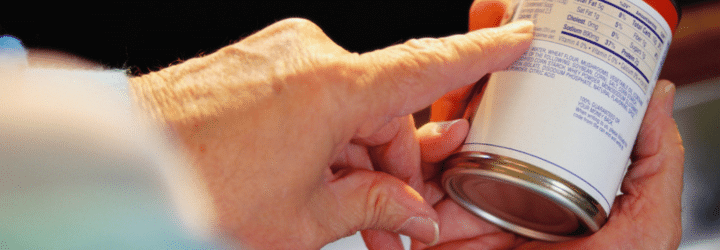
Reading the ingredient label on packaged food is an important part of food allergy management. Ingredients and manufacturing practices may change, so check the package each time you buy a product. Accidental exposure can still occur through shared equipment, food preparation surfaces, utensils, mislabeled products, or restaurant meals. Cross-contact happens when a food allergen comes into contact with a food or item that would not normally contain it. Even a very small amount may cause a reaction in some people. Tell restaurant staff about your food allergy and ask about ingredients, cooking oils, sauces, garnishes, food preparation surfaces, and shared equipment. Avoid foods when staff cannot confidently answer questions about the ingredients or preparation process.
Anaphylaxis and Food Allergies: Why Teens Are at Greater Risk
Teens and young adults may face a greater risk of severe food allergy reactions when they do not carry epinephrine, do not tell friends about their allergy, or wait too long to treat a reaction. Growing independence, peer pressure, school activities, sports, social events, and changing routines can make allergy safety harder to manage. Allergists and parents can help teens build a clear food allergy action plan that covers epinephrine use, dining out, school trips, sports, and early signs of anaphylaxis. Friends should also know where prescribed epinephrine is kept and how to get emergency help.
Food Immunotherapy at Asthma and Allergy Associates
Asthma and Allergy Associates has offered food immunotherapy for more than 20 years. Food immunotherapy is a process intended to help the body tolerate accidental exposure to a food allergen and lower the risk of a severe reaction. The process begins with an evaluation that includes a complete history of previous reactions, skin testing, and laboratory testing. Based on those findings, a board-certified allergist may discuss whether food immunotherapy is appropriate and explain how very small amounts of the food allergen may be introduced safely. Once a maintenance dose is reached, the prescribed dose is continued each day. Over time, this may create a desensitized state that lowers the risk of a severe reaction after accidental exposure.
Dr. Daniel F. Soteres, M.D., M.P.H, has provided food immunotherapy for 20 years and was among the first physicians in the United States to offer this treatment option. After evaluating its safety, effectiveness, and practicality, he now offers sublingual immunotherapy, or SLIT, for food allergies. This approach may be considered for children as young as 2 years old following evaluation by a board-certified allergist. Food immunotherapy has been studied at academic institutions including Duke University, the University of North Carolina, Emory University in Atlanta, and institutions in California. Community allergists have also used food immunotherapy for many years.
Xolair for Food Allergy Risk Reduction
Another treatment option is omalizumab, sold under the brand name Xolair. The FDA has approved Xolair for certain adults and children age 1 year and older with IgE-mediated food allergy to reduce allergic reactions, including the risk of anaphylaxis, after accidental exposure to one or more foods. Patients using Xolair must continue avoiding foods they are allergic to, and Xolair is not an emergency treatment for anaphylaxis. Patients can discuss Xolair with the health care providers at Asthma and Allergy Associates to determine whether it may be appropriate for their situation.
Food Allergy Clinical Research
The Research Center at Asthma and Allergy Associates offers clinical research trials for a range of ages, from 1-year-old children through adulthood. These studies examine food allergy therapies intended to improve safety and quality of life for people living with food allergies and their families.
Ongoing Food Allergy Care and Epinephrine Readiness
Regular follow-up with an allergist gives patients an opportunity to review symptoms, discuss whether testing should be repeated, and update their emergency anaphylaxis plan. Some children may eventually outgrow a food allergy. If a child or adult appears to be outgrowing an allergy, a health care professional should evaluate the patient. Testing may be followed by a medically supervised oral food challenge when appropriate. Check epinephrine expiration dates regularly and replace used or expired devices. Patients and caregivers should also review how to use the prescribed device correctly.
What to Do After Giving Epinephrine
Follow the patient’s anaphylaxis emergency action plan after giving epinephrine. Current anaphylaxis guidance notes that immediate emergency medical services may not always be required when symptoms respond promptly, completely, and durably to epinephrine and further epinephrine and medical care are readily available. Call 911 or seek emergency medical care when anaphylaxis is severe, symptoms do not resolve promptly, symptoms return or worsen, or the patient’s action plan or health care professional directs you to do so. Stay with the person and follow the action plan. A second dose of epinephrine may be needed according to clinician instructions or the emergency plan. Bronchodilator inhalers and antihistamines do not replace epinephrine when treating anaphylaxis.
Schedule a Food Allergy Evaluation in Southern Colorado
Asthma and Allergy Associates, P.C. evaluates, tests, and treats food allergies for patients in Colorado Springs, Pueblo, Cañon City, and surrounding communities. Our board-certified allergists can help identify possible food triggers, interpret testing, review anaphylaxis risk, prescribe epinephrine, and discuss food immunotherapy, Xolair, or available clinical research options when appropriate. Make an appointment to discuss your food allergy history, symptoms, testing, and treatment options.