

Healthy lungs are easy to take for granted until breathing becomes difficult. Chronic Obstructive Pulmonary Disease, commonly called COPD, is a long-term lung disease that limits airflow and makes it harder to breathe. Several factors can raise a person’s risk of COPD, including smoking, secondhand smoke, workplace exposure, genetics, asthma, respiratory infections, and local environmental conditions. Colorado Springs also has altitude and air quality factors that may affect people with pre-existing reduced lung function. This guide explains the most common COPD risk factors and how patients in Colorado Springs can take steps to protect their respiratory health.
Resource: mayoclinic.org
Table of contents
- What is COPD?
- COPD Symptoms
- COPD Diagnosis
- Environmental COPD Risk Factors
- Air Quality and COPD
- Pollutants and Allergens
- Smoking Risk
- Secondhand Smoke Risk
- Physical Activity and COPD
- Workplace COPD Risks
- Workplace Exposure Examples
- Genetics and COPD
- Asthma and Infection Risks
- COPD Prevention Steps
- Local COPD Resources
- Indoor Air Quality Tips
- COPD Treatment and Care
- COPD at High Altitude
- Final Thoughts
Estimated reading time: 6 minutes
What is COPD?
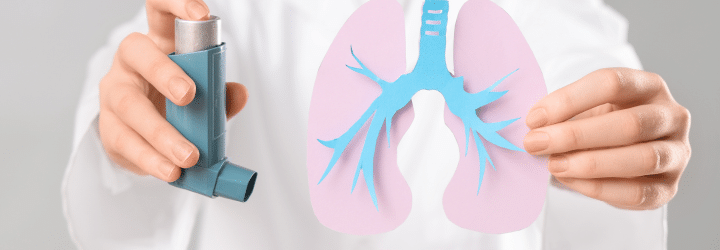
Chronic Obstructive Pulmonary Disease is a group of lung diseases that block airflow and make breathing harder over time. The most common types are chronic bronchitis and emphysema. Chronic bronchitis causes inflammation and excess mucus in the bronchial tubes, making it harder to clear the airways. Emphysema damages the air sacs in the lungs, reducing their ability to absorb oxygen and release carbon dioxide. COPD often develops slowly, so early testing and medical care can help patients manage symptoms and protect lung function.
COPD Symptoms
Symptoms may start mildly and can be mistaken for aging, allergies, asthma, or other respiratory conditions. Common symptoms include:
- A long-term cough
- Coughing up mucus or phlegm
- Shortness of breath during activity
- Frequent respiratory infections
- Chest tightness
- Low energy or fatigue
Early diagnosis is important because treatment can help slow disease progression and help patients maintain as much lung function as possible.
COPD Diagnosis
A physician can diagnose COPD based on a patient’s medical history, physical exam, and pulmonary function testing. Spirometry is one of the main tests used to diagnose COPD. During this test, a patient breathes forcefully into a tube connected to a machine that measures how quickly air leaves the lungs. A doctor may also use chest X-rays, CT scans, or arterial blood gas testing to check for emphysema, rule out other conditions, or measure oxygen and carbon dioxide levels.
Environmental COPD Risk Factors
Living at a higher elevation, such as Colorado Springs, does not directly cause COPD. It can, however, make symptoms feel worse for some patients who already have lung disease. Air contains less oxygen at higher elevations. As a result, the lungs may need to work harder to move oxygen into the blood. For people with COPD, this can escalate shortness of breath, fatigue, and breathing difficulty.
Air Quality and COPD
Air quality can affect lung health and may worsen COPD symptoms. Colorado Springs often has good air quality, yet winter inversions, ozone, wildfire smoke, and airborne pollutants can still affect respiratory health. Smoke and pollutants can irritate the lungs, cause inflammation, and contribute to long-term airway damage. Patients with COPD or risk factors for COPD should pay close attention to local air quality alerts.
Resource: lung.org
Pollutants and Allergens
Local allergens and irritants may also affect COPD risk and symptoms. These can include:
- Mold
- Pollen
- Dust
- Ozone
- Smoke
- Airborne spores
Seasonal pollen, windborne dust, and wildfire smoke can irritate the airways. Long-term airway inflammation may contribute to respiratory problems.
Smoking Risk
Cigarette smoking is the leading cause of COPD. Tobacco smoke contains chemicals that damage lung tissue, irritate the airways, and make it harder for the lungs to clear mucus and debris. The longer a person smokes, the higher the risk of COPD. Quitting smoking is one of the most important steps a person can take to reduce COPD risk.
Secondhand Smoke Risk
Non-smokers can also develop COPD after repeated exposure to secondhand smoke. People who live or work around smokers may have a higher risk of respiratory illness, reduced lung function, and COPD later in life. Reducing secondhand smoke exposure can help protect lung health, especially for children, older adults, and people with asthma or other breathing conditions.
Physical Activity and COPD
Lack of physical activity does not directly cause COPD, yet it can affect breathing strength and overall fitness. Regular movement can help support respiratory muscles, improve stamina, and help the body use oxygen more efficiently. A sedentary lifestyle may make breathing feel harder for people who already have reduced lung function.
Workplace COPD Risks
Some jobs may raise the risk of COPD due to repeated exposure to dust, fumes, chemicals, or other airborne irritants. Higher-risk work environments may include:
- Construction
- Agriculture
- Mining
- Manufacturing
- Industrial cleaning
- Painting or coating work
Regular exposure without proper respiratory protection can irritate the lungs and may contribute to long-term airway damage.
Resource: cdc.gov
Workplace Exposure Examples
Workers should be cautious around substances that can harm lung tissue, including:
- Silica dust
- Asbestos
- Chemical fumes
- Heavy metals
- Solvents
- Spray paint
- Diesel exhaust
- Cleaning chemicals
Proper ventilation, protective equipment, and workplace safety practices can help lower exposure risk.
Genetics and COPD
Genetics can play a role in COPD risk. One known genetic risk factor is alpha-1 antitrypsin deficiency.
Alpha-1 antitrypsin is a protein made in the liver that helps protect lung tissue from inflammation and injury. A deficiency can raise the risk of faster lung function decline, especially when combined with smoking or harmful exposures.
Resource: mayoclinic.org
Asthma and Infection Risks
Asthma can increase COPD risk in adults, especially when symptoms are not well controlled. Long-term airway inflammation may lead to lasting changes in the airways, and respiratory infections during childhood may also affect lung development.
COPD Prevention Steps
- Avoid secondhand smoke
- Wear respiratory protection at work
- Check local air quality alerts
- Limit outdoor time during wildfire smoke
- Keep windows closed during poor air quality days
- Reduce indoor dust, mold, and smoke exposure
- Speak with a doctor about ongoing symptoms
Local COPD Resources
Indoor Air Quality Tips
Indoor air quality can affect breathing and lung health. Patients can help reduce indoor irritants by:
- Using air filters in HVAC systems
- Using air purifiers when needed
- Reducing indoor humidity
- Preventing mold growth
- Avoiding indoor smoke exposure
- Keeping dust under control
- Using proper ventilation
Cleaner indoor air may help reduce irritation for people with COPD, asthma, or other respiratory concerns.
COPD Treatment and Care
COPD has no cure, yet treatment can help manage symptoms and reduce complications. Treatment may include inhaled bronchodilators, inhaled steroids, oxygen therapy, pulmonary rehabilitation, and ongoing medical follow-up. Asthma and Allergy Associates, PC can help patients review symptoms, complete pulmonary testing, and discuss treatment options based on their needs.
COPD at High Altitude
Patients with COPD in Colorado Springs may need closer symptom monitoring because of the higher elevation. Lower oxygen levels at altitude can make breathing more difficult for some patients. A specialist can help determine whether oxygen therapy, medication changes, or other care adjustments may be appropriate.
Final Thoughts
COPD risk can come from smoking, secondhand smoke, workplace exposure, genetics, asthma, respiratory infections, and environmental conditions. Colorado Springs patients may also need to consider altitude, wildfire smoke, ozone, and seasonal allergens. Patients with ongoing respiratory symptoms should speak with a medical professional. Schedule an appointment with Asthma and Allergy Associates, PC for evaluation and respiratory care.