

As summer fades and cooler weather arrives, many people expect their allergy symptoms to ease. However, for millions of Americans, fall brings a new challenge: ragweed pollen. This common weed is one of the biggest allergy triggers in late summer and autumn, especially in areas like Colorado, where pollen seasons last longer than ever.
Why Ragweed Causes Fall Allergies
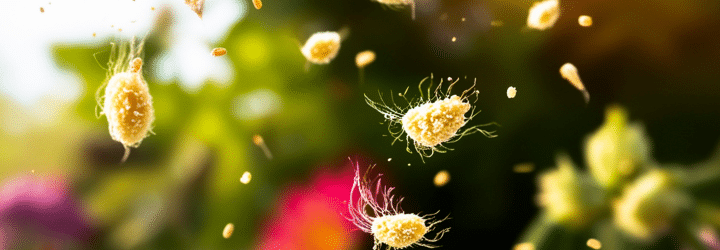
Ragweed begins releasing pollen in August and can continue well into September and October. Even a single plant can produce up to a billion pollen grains traveling miles in the wind. When inhaled, these microscopic grains can trigger allergic reactions such as:
- Sneezing
- Runny or stuffy nose
- Itchy or watery eyes
- Coughing or wheezing
- Asthma flare-ups
Reference: merriam-webster.com/thesaurus/microscopic
Dr. Soteres of Asthma and Allergy Associates explains that fall pollen seasons last longer due to gradually rising temperatures and higher carbon dioxide levels. “We are currently analyzing 35 years of data from our pollen counting station,” he says. “Preliminary data suggest a prolonged fall pollen season, which can be very tough on patients with weed pollen allergies.”
Other Triggers Behind Fall Allergy Symptoms
While ragweed is the main culprit, other factors can make fall allergy season more difficult:
1. The September Epidemic
As children return to school, they are exposed to more germs and viral infections, often called “The September Epidemic.” These viruses can lead to upper respiratory infections that worsen allergy and asthma symptoms.
2. Changes in Your Home Environment
Cooler weather brings pets indoors, where they shed more and release additional dander. For those allergic to cats or dogs, this can increase symptoms. Turning on the heat can also lower indoor humidity, dry out nasal passages, and cause irritation that mimics allergies.
3. Foods That Worsen Ragweed Allergies
Certain fruits and vegetables share proteins similar to ragweed pollen and can cause allergic reactions in some individuals. Foods such as bananas, melons, and cucumbers can worsen symptoms during ragweed season. Asthma and Allergy Associates specializes in diagnosing food allergies and can help you determine which foods to avoid.
How to Manage Ragweed Allergies
Managing ragweed allergies starts with awareness and prevention:
- Check Asthma and Allergy Associates’ daily pollen counts to monitor ragweed activity.
- Limit time outdoors when pollen counts are high.
- Keep windows closed and use air conditioning when possible.
- Shower and change clothes after spending time outside.
- Use high-efficiency air filters in your home.
When to Seek Treatment
If your allergy symptoms persist or interfere with daily activities, it may be time to see a board-certified allergist. Identifying your triggers and creating a treatment plan can provide lasting relief.
At Asthma and Allergy Associates, P.C., our doctors help you manage your symptoms through accurate testing, allergy shots, and other treatment options.
Contact us to schedule an appointment and get control of your allergies this fall.