

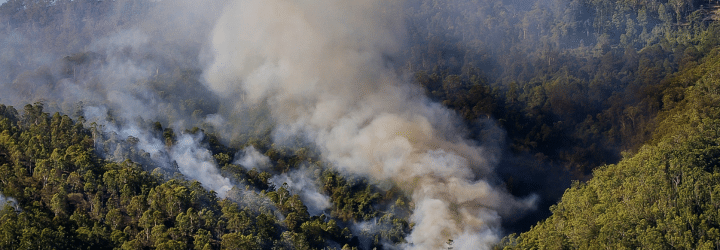
Forest fire smoke can affect anyone, even people who usually breathe comfortably. For patients with asthma, COPD, allergies, or other respiratory health concerns, smoky air can be especially difficult. Smoke contains fine particles and gases that can irritate the eyes, nose, throat, and lungs. These particles are small enough to get deep into the respiratory system, where they may trigger coughing, wheezing, chest tightness, or shortness of breath.
When smoke from a forest fire or wildfire affects the air near your home, school, workplace, or neighborhood, taking early precautions can help lower your exposure and reduce the chance of a breathing flare-up.
This guidance is based on forest fire smoke precautions shared by Dr. Daniel F. Soteres, M.D., M.P.H., with a focus on helping people protect their respiratory health during smoky air conditions.
Resource: epa.gov
Table of contents
- Why Forest Fire Smoke Can Be Hard on the Lungs
- Stay Indoors When Smoke Is Nearby
- Avoid Outdoor Exercise During Smoky Conditions
- Be Careful With Masks and Face Coverings
- Use Recirculated Air in the Car
- Special Precautions for People With Asthma or COPD
- Know When to Seek Medical Attention
- Help Children Stay Safe During Smoky Air
- Preparing Before Smoke Becomes a Problem
- When to Call Your Doctor
Estimated reading time: 6 minutes
Why Forest Fire Smoke Can Be Hard on the Lungs
Forest fire smoke is not the same as ordinary dust or outdoor haze. It can contain tiny particles from burning trees, grass, buildings, and other materials. These fine particles can irritate the airways and may be especially difficult for people with asthma or COPD.
For some people, smoke exposure may cause mild throat irritation or watery eyes. For others, it may lead to symptoms that feel much more serious, including:
- More coughing than usual
- Wheezing
- Shortness of breath
- Painful breathing
- Chest tightness
- Trouble exercising or walking normally
- Breathing symptoms that do not improve with usual medication
Children may be more sensitive to smoke irritation. Their lungs are still developing, and they breathe more air in relation to their body size than adults. Older adults, pregnant people, and anyone with heart or lung disease should also take smoky air seriously.
Resource: who.int
Stay Indoors When Smoke Is Nearby
People living close to a fire-stricken area should stay indoors as much as possible. Keep windows and doors closed, especially when smoke is visible or when local air quality warnings are in place.
Indoor air can still be affected by outdoor smoke, so it helps to reduce how much outdoor air enters your home. If you have air conditioning, set it to recirculate mode. This setting helps limit the amount of smoky outdoor air being pulled inside.
A portable air cleaner with a HEPA filter may also help clean the air in one room. Choose a room where you can keep doors and windows closed. This can be especially useful for sleeping or resting during smoky periods.
Avoid Outdoor Exercise During Smoky Conditions
Exercise makes you breathe faster and deeper. During smoky conditions, this means more smoke particles can enter your lungs. Even if you feel well, it is best to avoid outdoor exercise until the air quality improves.
This includes running, cycling, hiking, yard work, outdoor sports, and strenuous outdoor chores. Children should also avoid outdoor play when smoke levels are high. Indoor activity is a safer choice until the smoke clears.
Be Careful With Masks and Face Coverings
Ordinary dust masks do not filter out the fine particles that can cause breathing distress during forest fire smoke exposure. Bandanas, scarves, and loose cloth face coverings are also not reliable protection against small smoke particles.
A well-fitting N95 or P100 respirator can help filter fine particles when worn correctly. However, respirators can be difficult for some people with asthma, COPD, or other breathing problems to tolerate. If wearing a respirator makes it harder to breathe, move indoors and call your doctor for guidance.
Use Recirculated Air in the Car
Smoke exposure can happen quickly in a vehicle. If you need to travel through a smoky area, keep the windows closed and close the outside air vents. Set the air conditioning to recirculate mode so the system recycles air inside the car rather than pulling smoky air from outside.
Try to limit unnecessary trips when the air is poor. If you need medication refills, groceries, or other essentials, plan ahead when possible so you do not have to make repeated trips during heavy smoke conditions.
Resource: epa.gov
Special Precautions for People With Asthma or COPD
Patients with asthma, COPD, or other respiratory health issues should stay inside as much as possible during forest fire smoke events. Smoke can place extra stress on the lungs, and symptoms may worsen even if your condition is usually well managed.
Call your doctor if you notice:
- More coughing than usual
- Wheezing
- Shortness of breath
- Painful breathing
- Chest tightness
- Symptoms that are not relieved by your usual medications
You may need a medication adjustment to help manage the added respiratory stress. Do not change your medication plan on your own unless your doctor has already given you clear instructions for smoke-related flare-ups.
If you use oxygen at home, do not adjust your oxygen level before talking to your doctor. Changing oxygen flow without medical guidance can be unsafe.
Know When to Seek Medical Attention
Do not wait if breathing symptoms become severe or do not respond to your usual treatment. Seek medical attention if you have trouble breathing, worsening wheezing, painful breathing, confusion, bluish lips or fingertips, or symptoms that feel different from your usual asthma or COPD pattern.
Patients with asthma should follow their asthma action plan if they have one. Keep rescue medication nearby, and make sure family members know what to do if symptoms worsen.
Help Children Stay Safe During Smoky Air
Children may not always explain breathing symptoms clearly. They may say their chest feels funny, they are tired, their throat hurts, or they do not want to play. Watch for coughing, wheezing, faster breathing, unusual fatigue, or trouble keeping up with normal activity.
During smoky air days, keep children indoors, close windows and doors, and avoid outdoor sports or recess when local air quality is poor. Children with asthma should have access to their prescribed medication, and caregivers should know when to call a doctor.
Preparing Before Smoke Becomes a Problem
Forest fire smoke can move quickly, and air quality can change throughout the day. A little preparation can make it easier to respond. Consider keeping the following ready during fire season:
- Current asthma or COPD medications
- Rescue inhalers, if prescribed
- A written asthma action plan, if applicable
- Phone numbers for your doctor and pharmacy
- A portable HEPA air cleaner, if available
- Replacement HVAC filters
- Properly fitting respirators for adults who may need to go outside
- Local air quality alerts on your phone
Preparation is especially important for patients who live near fire-prone areas or who have had breathing flare-ups during past smoke events.
When to Call Your Doctor
If smoke exposure is making your asthma, COPD, allergies, or breathing symptoms worse, call your doctor. Your care team can help evaluate your symptoms, review your medications, and discuss ways to manage respiratory health during smoky conditions. Forest fire smoke can be stressful, especially for families managing asthma or chronic breathing problems. The safest approach is to reduce exposure early, stay indoors when smoke is nearby, use recirculated air when possible, avoid outdoor exercise, and call your doctor when symptoms change.
Concerned about breathing symptoms during smoky air conditions? Schedule a visit with Asthma and Allergy Associates, P.C. at one of our locations.