

Is Pollen Season Extending This Year?
As temperatures rise, our growing season gets longer, so we can expect the pollen season to begin soon. At Asthma & Allergy Associates, PC, we are already seeing that milder winters encourage plants to begin growing earlier and produce pollen for an extended period. This extended growing season results in an extended allergy season for many Colorado Springs patients and their families. Recognizing how climate change impacts pollens, you can start preparing for your allergy season now. This way, you can start your treatment early and be prepared.
Resource: my.clevelandclinic.org
Table of contents
- Is Pollen Season Extending This Year?
- What Local Plants Produce the Most Pollen in Colorado Springs?
- Does Temperature Change Affect Pollen Counts?
- How Does Pollen Affect Allergy Sufferers?
- Are There Ways to Control Indoor Pollen?
- Why Your HVAC System Is So Vital to Reducing Indoor Pollen
- Pollen Season in Colorado Springs
- Why You Should Replace Your HVAC Filters
- What Is the Ideal MERV for Allergies?
- Why You Should Maintain Your HVAC System
Estimated reading time: 5 minutes
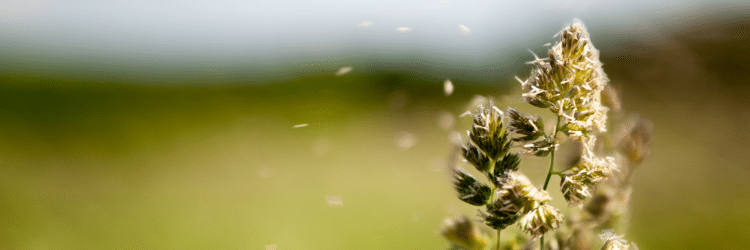
As temperatures rise, our growing season gets longer, so we can expect the pollen season to begin soon. We are already seeing that milder winters encourage plants to begin growing earlier and produce pollen for an extended period. This extended growing season results in an extended allergy season for many Colorado Springs patients and their families. Recognizing how climate change impacts pollens, you can start preparing for your allergy season now. This way, you can start your treatment early and be prepared.
What Local Plants Produce the Most Pollen in Colorado Springs?
Some common sources of local pollen include trees such as cottonwood, juniper, elm, and oak in the spring and early summer, and weeds, primarily ragweed, in late summer and fall. Juniper is a common tree in the dry foothills of Colorado Springs and a cause of much of the pollen we treat here. Not sure if you are allergic to any of these plants? We offer allergy testing to help you identify what you are allergic to.
Does Temperature Change Affect Pollen Counts?
Rising temperatures, along with increased carbon dioxide in the atmosphere, can increase plant growth and pollen production. Warmer weather means an earlier start to pollen season and an extended season as plants bloom earlier than in years past. At higher altitudes or in drier environments, such as Colorado Springs, rain and humidity can act as “cleansers”, lowering pollen count levels.
How Does Pollen Affect Allergy Sufferers?
Pollen levels that are higher than normal may cause symptoms such as nasal congestion, itchy or watery eyes, sneezing, coughing, and exacerbate asthma. These symptoms are most troublesome for young children, older adults, and people suffering from respiratory ailments like COPD and asthma. Pollen can also affect sleep, reduce comfort, and interfere with daily activities. If over-the-counter treatments are not helping, contact one of our doctors today.
Resource: mayoclinic.org
Are There Ways to Control Indoor Pollen?
A simple solution to keep pollen counts low indoors is to keep windows and doors closed during the times of year with the highest pollen counts in Colorado Springs. Change your clothes and shoes upon arriving inside and make sure to wash your hands. An air purifier can help with filtering out the airborne pollen in the air, and regular vacuuming, dusting, and laundering of bedding can help reduce pollen already in the house.
Why Your HVAC System Is So Vital to Reducing Indoor Pollen
Clean HVAC filters can reduce the amount of pollen circulating indoors. Make sure your filters are of the proper rating for the system, and always change them on a timely basis to help reduce the seasonal allergen levels your family is exposed to. If you are going to be using air filters, be sure to check in regularly with your family to maintain optimal airflow. Use air filters alongside your allergy treatment plan rather than as a replacement for medical care.
Pollen Season in Colorado Springs
The peak of pollen season in Colorado Springs depends on which type of plant is releasing it. Allergies peak from March to May, whereas grass pollen peaks during late spring to early summer, and ragweed and other weeds peak from August until the first frost. As temperatures rise, we find pollen season starting earlier and lasting longer. We generally recommend starting treatment at least two to four weeks prior to the onset of your regular symptoms.
Why You Should Replace Your HVAC Filters
Regularly replace your HVAC air filters, this keeps your air filters clean and more effective in filtering out pollen and other allergens. While you don’t get rid of allergies, having cleaner air filters and better air quality can be an asset to your allergy treatment plan.
What Is the Ideal MERV for Allergies?
What is considered a good filter for allergies may depend on which one is appropriate for your specific system in your home. However, as a general rule, MERV 11-13 filters are more likely to effectively filter out pollen and other airborne particles. However, high MERV filters can reduce airflow in your HVAC system, and thus should be checked with your HVAC manufacturer to make sure your system can handle the change. A good quality air filter will help to reduce the airborne allergens and particles inside your home.
Why You Should Maintain Your HVAC System
During the seasons with peak pollen in spring and fall, schedule HVAC maintenance at this time. Although this may be helpful for managing allergies, it may not be enough for addressing your needs for a treatment of seasonal allergies, so be sure to contact Asthma & Allergy Associates, PC for an evaluation and an allergy management plan for your seasonal allergies.