

Fall brings cooler temperatures, changing leaves, and seasonal shifts in air quality. Although many people associate air pollution with summer heat and wildfire season, fall can also challenge your lungs. Wildfire smoke, airborne allergens, dust, and changing weather conditions can all affect how comfortably you breathe.
For people living with asthma, allergies, or other respiratory conditions, poor air quality can cause coughing, wheezing, chest tightness, and shortness of breath. Even people without existing lung conditions may experience respiratory irritation when exposed to elevated air pollution.
Understanding how seasonal air quality affects your lungs can help you recognize potential triggers and take precautions when conditions are poor.
Resource: cdc.gov
Estimated reading time: 7 minutes
Key Takeaways
- Fall air quality can worsen due to factors like wildfire smoke, pollen, and temperature changes, impacting respiratory health.
- Individuals with asthma or allergies may experience increased symptoms from poor air quality conditions during autumn.
- Common symptoms include coughing, wheezing, shortness of breath, and chest tightness, particularly in sensitive individuals.
- To protect your lungs, check the Air Quality Index, limit outdoor activities, and improve indoor air quality.
- Follow your asthma action plan and seek specialist care if experiencing recurring symptoms related to poor fall air quality.
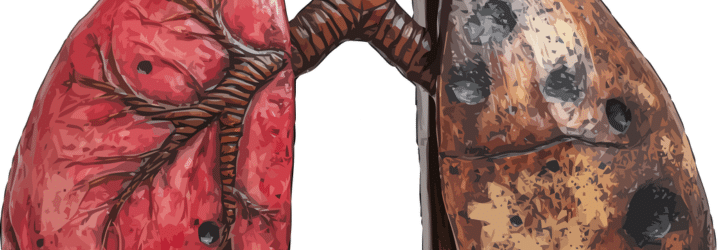
Table of contents
- Why Can Air Quality Be Worse in the Fall?
- Wildfire Smoke and Airborne Particles
- Seasonal Pollen and Mold Spores
- Temperature Changes and Air Pollution
- How Does Poor Air Quality Affect Your Lungs?
- Can Poor Fall Air Quality Trigger Asthma Attacks?
- How Can You Protect Your Lungs From Poor Fall Air Quality?
- Wear Appropriate Respiratory Protection
- Frequently Asked Questions About Fall Air Quality
- Should You Stay Indoors When Air Quality Is Poor?
- Get Help Managing Asthma and Fall Allergies
Why Can Air Quality Be Worse in the Fall?
Several environmental factors can worsen air quality in the fall, particularly in Southern Colorado.
Wildfire Smoke and Airborne Particles
Wildfires in Colorado and neighboring states can release smoke containing fine particulate matter, known as PM2.5. These microscopic particles can travel long distances and, when inhaled, reach deep into the lungs.
Wildfire smoke may irritate the respiratory system, worsen existing asthma symptoms, and make breathing harder for people with sensitive airways.
Seasonal Pollen and Mold Spores
Fall allergies often involve ragweed pollen and outdoor mold spores. Ragweed pollen can remain airborne until the first hard frost, while mold may grow on damp leaves and other decaying vegetation.
These allergens can trigger respiratory symptoms in sensitive individuals, particularly those with allergic asthma.
Temperature Changes and Air Pollution
Cooler fall weather can sometimes contribute to temperature inversions, where a layer of warmer air traps cooler air near the ground. Under these conditions, pollutants may accumulate closer to where people live and breathe.
Cold, dry air can also irritate sensitive airways and trigger asthma symptoms, even when outdoor pollution levels are relatively low.
How Does Poor Air Quality Affect Your Lungs?
Air pollution can irritate and inflame the respiratory tract, making it harder to breathe.
Fine particles from smoke and pollution can reach deep into the lungs, while pollutants such as ground-level ozone can irritate the airways. The effects depend on the type and concentration of pollutants, how long someone is exposed, and an individual’s respiratory health.
Common symptoms associated with poor air quality include:
- Persistent coughing or throat irritation
- Wheezing or difficulty breathing
- Chest tightness or discomfort
- Shortness of breath during physical activity
- Irritated eyes, nose, or throat
- Worsening asthma symptoms
People with asthma may be particularly sensitive because their airways are already prone to inflammation and narrowing.
If you experience recurring breathing difficulties during periods of poor air quality, an allergy and asthma specialist can evaluate possible contributing factors.
Can Poor Fall Air Quality Trigger Asthma Attacks?
Yes. Poor air quality can trigger asthma symptoms and, in some cases, contribute to asthma attacks.
Wildfire smoke, airborne particles, and certain pollutants can irritate the airways, causing inflammation and narrowing that make breathing more difficult.
People with asthma may cough more often, wheeze, feel chest tightness, or need prescribed quick-relief medication more often during periods of elevated air pollution.
Children with asthma may be especially vulnerable because their lungs are still developing and they often spend more time being physically active outdoors.
Individuals with asthma should follow their prescribed asthma action plans and take precautions when local air quality deteriorates.
How Can You Protect Your Lungs From Poor Fall Air Quality?
Although you can’t always avoid outdoor air pollution, several practical precautions can reduce exposure to pollutants and respiratory irritants.
Check the Local Air Quality Index
The Air Quality Index (AQI) provides information about current and forecasted air pollution levels.
Checking the AQI before leaving home can help you decide whether to postpone outdoor activities or move them indoors.
AirNow provides current and forecast air quality information for communities across the United States, including Colorado Springs and surrounding areas.
People with asthma or other respiratory conditions should pay particular attention when the AQI reaches levels considered unhealthy for sensitive groups.
Limit Outdoor Activities When Necessary
Outdoor exercise can make you breathe more deeply and rapidly, potentially exposing your lungs to more airborne pollution.
When air quality is poor, move workouts indoors, postpone strenuous outdoor activities, and limit time near smoke or other pollution sources.
Children with asthma may benefit from indoor activities during periods of elevated pollution.
Improve Indoor Air Quality
Keeping indoor air cleaner can reduce exposure to particles from wildfire smoke and outdoor pollution.
Consider these precautions:
- Keep windows and exterior doors closed when outdoor air quality is poor.
- Use a portable air cleaner with a HEPA filter or another appropriately rated particle filter.
- Set compatible air conditioning equipment to recirculate indoor air when outdoor smoke is present.
- Avoid indoor activities that generate particles, including smoking, burning candles, and unnecessary frying.
- Replace HVAC filters according to the manufacturer’s recommendations.
Air cleaners can help reduce airborne particles, although their effectiveness depends on the equipment, room size, and proper use.
Resource: epa.gov
Wear Appropriate Respiratory Protection
If you must spend time outdoors during wildfire smoke events, a properly fitted N95 respirator can help reduce exposure to fine particles.
Ordinary cloth masks and loose-fitting face coverings do not provide the same level of protection against wildfire smoke particles.
Respirators must fit properly to work effectively, and they may not be appropriate for everyone. Children and people with certain respiratory conditions may need guidance about appropriate protective measures. An N95 respirator also does not protect against harmful gases found in smoke.
Follow Your Asthma Action Plan
People with asthma should continue taking prescribed medications as directed and follow their asthma action plans.
Keep prescribed quick-relief medication accessible, particularly when wildfire smoke or elevated pollution levels are expected.
If you use supplemental oxygen at home, do not change your prescribed oxygen flow rate without consulting your healthcare professional.
Severe shortness of breath, difficulty speaking because of breathlessness, blue or gray lips, or symptoms that do not improve with prescribed rescue treatment require immediate emergency medical attention.
Frequently Asked Questions About Fall Air Quality
Can Fall Allergies Affect Your Breathing?
Yes. Fall allergens such as ragweed pollen and mold spores can irritate the respiratory system and trigger symptoms in people with allergies or allergic asthma.
Symptoms may include sneezing, nasal congestion, coughing, wheezing, and shortness of breath. An allergy evaluation can help determine whether seasonal allergens are contributing to recurring symptoms.
Is Wildfire Smoke Dangerous for People With Asthma?
Wildfire smoke contains fine particles and other pollutants that can irritate the lungs and worsen asthma symptoms.
After exposure, people with asthma may cough, wheeze, feel chest tightness, or have difficulty breathing. Reducing exposure and following a prescribed asthma action plan can help lower the risk of complications.
Should You Stay Indoors When Air Quality Is Poor?
Staying indoors can reduce exposure to outdoor air pollution, particularly when windows and doors remain closed and indoor air filtration is available.
However, indoor air quality also matters. Smoke particles can enter buildings, and indoor activities may generate pollutants.
Checking local AQI readings and keeping indoor air cleaner can help guide daily decisions.
When Should You See an Asthma Specialist?
Consider scheduling an appointment if you experience recurring coughing, wheezing, chest tightness, or shortness of breath during periods of poor air quality.
An asthma specialist can assess your symptoms, review potential environmental triggers, and recommend appropriate testing or treatment.
Seek emergency medical care for severe breathing difficulties or symptoms that do not respond to prescribed rescue medication.
Get Help Managing Asthma and Fall Allergies
Poor air quality can make everyday activities uncomfortable, especially for people living with asthma or seasonal allergies. Recognizing environmental triggers and taking appropriate precautions can help reduce respiratory irritation and make symptoms easier to manage.
Our team can help identify potential triggers, evaluate recurring symptoms, and recommend treatment options based on your medical needs. If fall air quality is affecting your breathing, contact Asthma and Allergy Associates to schedule an appointment with one of our specialists.