

The number of people being diagnosed with food allergies has been steadily increasing. And while most food allergies are undoubtedly manageable with the right mix of avoidance and medication, some can escalate to life-or-death situations. The number of fatal food allergy reactions continues to rise. In this blog post, we will review the “why” of deaths related to food allergies and arm you with the knowledge you need to lessen the danger.
Understanding Food Allergy
Having a food allergy is an issue of the immune system. When a person has a food allergy, their immune system mistakenly views a specific food as harmful. It prompts the body to launch an attack that can have various impacts, such as the appearance of hives, swelling in the mouth or throat, or even difficulty in breathing. While many allergic reactions tend to be relatively minor, some can be life-threatening, meaning they have the potential to be fatal. The most severe food allergies primarily affect teenagers and adults.
True Food Allergy vs. Food Intolerance
It’s crucial to grasp the contrast between a food allergy and a food intolerance. A food allergy causes an immune reaction to a specific food, while food intolerance does not involve the immune system. Food intolerance can result in digestive issues and discomfort, like bloating, gas, or diarrhea. It can be uncomfortable, but unlike food allergies, it’s not life-threatening. Still, one should take food intolerances seriously, and not just for the physical toll they may take.
Managing Food Allergy
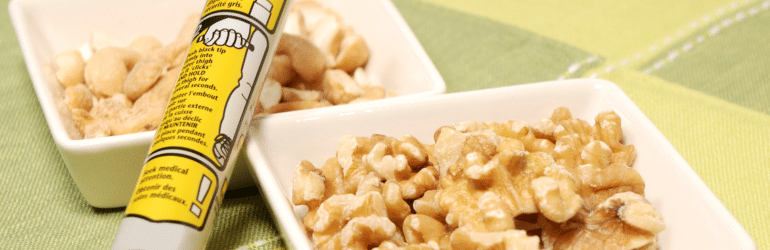
When managing a severe food allergy, it’s vital to have an action plan ready. Keep your epinephrine auto-injector on you at all times, and teach those closest to you—like your immediate family, your close friends, and your teachers—how to use it if you cannot. Of course, the best way to treat a food allergy is not to have an allergic reaction in the first place. So, be a label reader and ask about what you’re served—especially if you’re out and about.
Reference:
https://my.clevelandclinic.org/health/drugs/20260-epinephrine-auto-injector
The Risk of Death from Food Allergy
Most food-allergic reactions are not severe and don’t result in death. Nevertheless, it’s now clear that food allergy accounts for an annual death toll of roughly 200 persons, a figure equivalent to the rate of death from heatstroke, electrical injury, drowning, or unstable or heavy furniture toppling over. The risk of death is highest in those with a history of severe reactions; especially for them, seriously taking the threat of food allergy is an essential part of managing the condition.
The Importance of Seeking Medical Attention
Seek immediate medical attention if you have an allergic reaction. Specific symptoms can arise and evolve within moments, requiring the immediate attention of a doctor. Hives can appear, your lips or face swell, or your throat tightens, stalling your breathing. In such instances, it is all the more important to dial 911 or seek the help of the nearest emergency room for potentially life-saving assistance because, as experts often say, time is of the essence.
Final Thoughts
Having a food allergy can become a deadly health issue. It is life-threatening and must be treated with respect and understanding. Managing a food allergy requires a plan to work with an allergist to ensure the necessary precautions are taken to prevent exposure to the offending allergen. It also means training oneself and those around you about what you can and can not eat. Above all, managing food allergies enforces the expectation of carrying two epinephrine auto-injectors and seeking immediate medical attention should an allergic reaction occur.