

Living in Colorado Springs means enjoying nature. You’ll find yourself hiking, gardening, and enjoying the outdoors on the Front Range. During warmer months, you’re more likely to encounter bees, wasps, and other stinging insects, which increases your chances of being stung. While most insect stings cause a local reaction, some people have severe allergic reactions. At Asthma & Allergy Associates, PC, we want to ensure our patients understand the warning signs and how to respond if they experience a severe allergic reaction.
The following addresses the most frequently asked questions about bee and wasp venom allergies from our Colorado Springs patients, so you can enjoy outdoor activities and know what to do if you have an allergic reaction.
Key Takeaways
- Understanding Bee and Wasp Venom Allergies is crucial for enjoying outdoor activities in Colorado Springs.
- Normal reactions usually involve localized pain and swelling, but anaphylaxis is a medical emergency that requires immediate attention.
- Avoiding stings includes being aware of your surroundings, wearing appropriate clothing, and keeping food covered.
- If stung, use your epinephrine auto-injector if allergic, and seek emergency help if experiencing severe symptoms.
- Consider allergy testing and treatments like venom immunotherapy if you have had severe reactions or are at risk.
Estimated reading time: 9 minutes
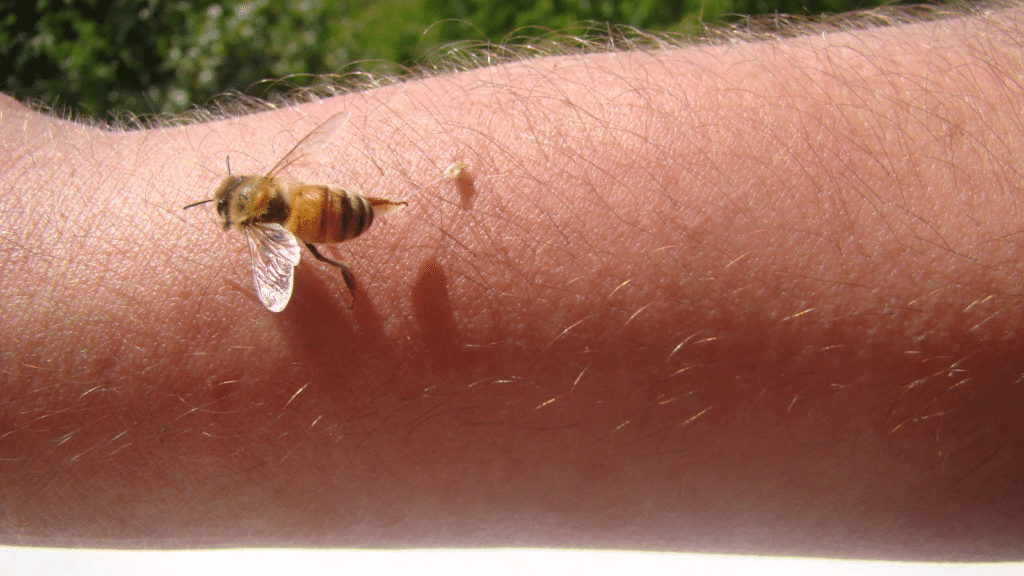
Table of contents
- What Are Bee and Wasp Venom Allergies?
- What Are the Common Symptoms of an Allergic Reaction?
- How Do I Differentiate Normal Reactions from Anaphylaxis?
- A Colorado-Specific Concern With Western Harvester Ant Stings
- When to See a Doctor
- Treatments for Venom Allergies
- How to Avoid Bee and Wasp Stings
- What to Do in Case of an Emergency
- Frequently Asked Questions about Bee and Wasp Allergies
- Get Help From a Colorado Springs Allergist About Bee and Wasp Venom Allergies
- Final Thoughts
What Are Bee and Wasp Venom Allergies?
In most cases, sting reactions are confined to the sting site. This includes pain, redness, swelling, and itching that lasts anywhere from several hours to a couple of days.
A larger local reaction may occur, with swelling extending well beyond the sting site and covering a significant portion of your arm or leg over the span of one to two days. This can look frightening, but is usually not life-threatening.
You should take more seriously any reactions that extend beyond the sting site. If your reaction spreads beyond the sting site, take it seriously and talk with an allergist about what to do.
Resource: mayoclinic.org
What Are the Common Symptoms of an Allergic Reaction?
Most reactions to stings are limited to the sting area and result in pain, redness, swelling, and itching that last a few hours to a couple of days.
It’s also possible to experience a larger local reaction, where the swelling spreads far beyond the sting area and covers a large portion of your arm or leg over the course of a day or two. This can look concerning but is generally not life-threatening.
Reactions that spread beyond the sting site should be taken more seriously. If your reaction goes beyond the sting site, take it seriously and talk with an allergist about what to do.
Resource: acaai.org
How Do I Differentiate Normal Reactions from Anaphylaxis?
A normal or expected reaction will stay localized. This includes pain, swelling, and itching at the site of the sting. Your symptoms will get better over time. However, anaphylaxis is different and potentially dangerous. Some warning signs include:
- Difficulty breathing or wheezing
- Swelling of the throat, tongue, or lips
- Rapid pulse
- Sudden drop in blood pressure
- Dizziness
- Fainting
- Confusion
- Nausea
- Vomiting
- Stomach cramps
Anaphylaxis is considered a medical emergency because it can affect your ability to breathe and circulate blood at the same time, and can become life-threatening quickly.
A Colorado-Specific Concern With Western Harvester Ant Stings
Bees and wasps are not the only stinging insects Colorado residents should be aware of. The Western Harvester Ant, or Pogonomyrmex occidentalis, is found in Colorado and across much of the Western United States.
Western Harvester Ant colonies usually build nests in exposed sandy or soil areas. The area around a mature nest is often cleared of vegetation, leaving a noticeable bare disc around the nest opening.
These ants have a distinctive defensive behavior, they bite with their mandibles before pivoting to sting multiple times.
A case report by M. Soteres and D. Soteres, MD, documented anaphylaxis following a Western Harvester Ant sting in a 13-year-old patient. The reaction initially appeared as significant redness around the sting. His symptoms later progressed to throat tightening, dizziness, and wheezing, requiring treatment in the emergency room with epinephrine, antihistamines, and albuterol.
The authors reported that their literature search did not identify other published reports of anaphylaxis caused by the Western Harvester Ant. Earlier reports involving this species primarily described painful local reactions.
Current research cited in the case presentation also indicates that Pogonomyrmex venom does not appear to cross-react with several other insect venoms, including fire ant, bee, wasp, yellow jacket, and hornet venom. Commercial allergy testing specifically for sensitivity to Western Harvester Ant is not currently available.
The case highlights why Colorado residents should pay attention to allergic symptoms following any insect sting, even when the insect is not a bee or wasp.
Resource: Case Report
When to See a Doctor
If you develop breathing problems, throat or tongue swelling, faintness, or other symptoms of anaphylaxis after a sting, call 911 immediately. You may want to see your doctor the same day if you have significant swelling, signs of an infection, or just feel concerned even if you don’t have anaphylaxis.
You might also seek medical care for multiple stings, because a high dose of venom can affect your body even if you don’t have a known allergy to the venom. If you’ve had a severe allergic reaction to an insect sting before, you should talk to an allergist about testing and future treatment options.
Treatments for Venom Allergies
For a minor sting, home remedies might be all you need. Wash the sting site, apply a cold compress to help reduce swelling, and take an antihistamine for itchiness if needed.
If you have a known allergy to the venom, an epinephrine auto-injector is a prescription medication you will need to carry with you. This provides fast-acting epinephrine if you have a severe reaction and is used alongside emergency medical care.
Another long-term treatment option is venom immunotherapy. Allergy shots given over time slowly desensitize your body to the venom, lowering the risk of a severe reaction when you’re stung again. Anyone with a systemic allergic reaction who tests positive for a venom allergy might be a candidate for treatment.
First, you’ll undergo allergy testing to find out what venom caused the reaction. Then, treatment includes a buildup period followed by maintenance doses. Our board-certified doctors at Asthma & Allergy Associates, PC create personalized treatment plans for each patient based on their health history, test results, and how their body responds to treatment.
How to Avoid Bee and Wasp Stings
There are some steps you can take to help prevent a bee or wasp sting:
- Be aware of your surroundings while hiking, camping, or performing yard work.
- Stay clear of places where you might disturb a nest or hive.
- Wear lighter-colored clothing, long-sleeved shirts, and pants rather than clothing with a floral design.
- Avoid using strong perfumes or lotions.
- Sugary drinks, juice boxes, and open soda cans can also attract yellowjackets.
- Cover all foods and drinks and inspect your drink before taking a sip.
- Explain to children the importance of being cautious around flying insects.
- Remind children not to hit or kick at an insect.
- If you’ve been diagnosed with a venom allergy, always carry your auto-injector.
- Let your family and close friends know where the auto-injector is stored and teach them how to use it.
What to Do in Case of an Emergency
If you experience a severe allergic reaction after a bee or wasp sting, here are some steps to take:
- Use the epinephrine auto-injector as soon as possible.
- Follow the instructions and inject into the individual’s outer thigh.
- Call 911 if you require immediate medical attention.
- Try to keep the person calm.
- If they have trouble breathing, lay them down and raise their legs. If the person is having trouble breathing, it may be better for them to sit upright.
- Remain with the individual and monitor their status.
- If the symptoms do not subside or return, administer another dose of the epinephrine auto-injector as directed.
- Anyone with a venom allergy should have an emergency action plan.
- Always refill prescriptions on time and store them in an easy-to-reach spot.
- Ensure that your family knows how and when to use them.
Frequently Asked Questions about Bee and Wasp Allergies
Can a Bee or Wasp Allergy Develop Later in Life?
Yes, individuals can develop a venom allergy at any age, regardless of whether they’ve experienced a severe reaction to a bee or wasp sting in the past. The next sting may produce a different reaction, and someone who had only a mild reaction to a previous sting might have a more severe reaction to the next sting. If you have any reaction beyond the sting site, you might benefit from getting allergy tests.
If I’m Allergic to Bees, Am I Also Allergic to Wasps?
Not necessarily. While some people are allergic to more than one type of insect, the venom in a bee or wasp sting contains different proteins, so having an allergy to one doesn’t guarantee a reaction to the other. You can get testing to find out which venom is causing the reaction, and your doctor will recommend the best treatment option.
How Long Does It Take for Immunotherapy to Work?
Immunotherapy begins with a buildup period, during which your doctor will slowly raise your dose over several weeks or months. After that, it enters a maintenance period. Most patients gain some protection during the buildup period, but substantial improvement may not occur until maintenance has continued for several months, sometimes up to 12 months. Treatment usually lasts between 3 to 5 years, although the right length of time depends on your medical history and how well you respond to the treatment.
Does Higher Elevation in Colorado Springs Affect My Allergies?
While elevation doesn’t make you more sensitive to insect venom, weather patterns and seasonal differences do play a role in when stinging insects are active. These insects are at their most active from late spring through early fall, so you’re more likely to be exposed to them during those seasons.
How Many Epinephrine Auto-Injectors Should I Carry?
Some people with a known venom allergy are advised to carry two auto-injectors, since you may need a second dose in an emergency situation. Ask your allergist whether this is right for you based on your medical history and emergency plans. Be sure to keep them within easy reach, check the expiration dates regularly, and make sure those who are with you know where to find them and how to use them.
Get Help From a Colorado Springs Allergist About Bee and Wasp Venom Allergies
Getting stung by a bee or wasp is just part of life in Colorado Springs, and for most people, it’s simply an irritating annoyance. For those with a venom allergy, taking extra precautions is vital. A subsequent sting could lead to a much more serious reaction, and if you’ve ever been stung, you might not know what to expect from another one. Understanding the warning signs, learning how to identify anaphylaxis, and being prepared to act in an emergency will help you react quickly in the event of another sting.
Final Thoughts
Getting stung by a bee or wasp is just part of life in Colorado Springs, and for most people, it’s simply an irritating annoyance. For those with a venom allergy, taking extra precautions is vital. Understanding the warning signs, learning how to identify anaphylaxis, and being prepared to act in an emergency will help you react quickly in the event of another sting. Asthma & Allergy Associates, PC can assess your symptoms, recommend allergy testing, and discuss your treatment options. Give us a call to schedule an appointment and find out how you can prepare for future bee and wasp stings.